
I was testing this domain from a program which provides swag. First we have attribute context injection where we can break out using “ however the characters <> are HTML encoded so we can’t create the new tag in this case.
Most important thing here is that the injection is inside the hidden input field. So the execution here is not easy and we need to have user to press certain key combinations from the keyboard according to the systems they are using. Press On Firefox Windows/Linux the key combination is ALT+SHIFT+X and on macOS X it is CTRL+ALT+X. Whichever the system you are using.
So I sent the first report with this URL,
https://example.com/login?returnurl=/" accesskey=”X” onclick=”alert(1)” &sit”e=nzg”
Note: If the program is just giving the swag, I do not try to increase the impact for XSS. It is good if you are learning to try to increase the impact, but if you know the tricks don’t waste time to created POC.
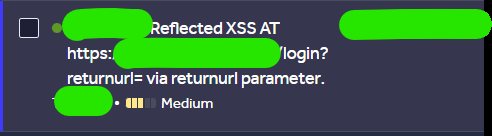
The team fixed this by blocking the onclick keyword here like just simple filter and rewarded with swag.
After the FIX, I tried different things to look, how the fix has been applied by the team. After playing for sometime I came with the bypass where I have to use ONCLICK instead of onclick to bypass the filter.
1" accesskey=”X” ONCLICK=confirm() X=”
After that I again send the report to the team and this time they sanitize the “ to " and this is permanently fixed.
Recently we have this new event handler oncontentvisibilityautostatechange which you can use to auto fire the XSS on chrome and there is no user interaction this is very useful where you need to escalate the XSS.
<input type=hidden oncontentvisibilityautostatechange=alert(1) style=content-visibility:auto>
Hope so you have enjoyed this :)
Many Thanks